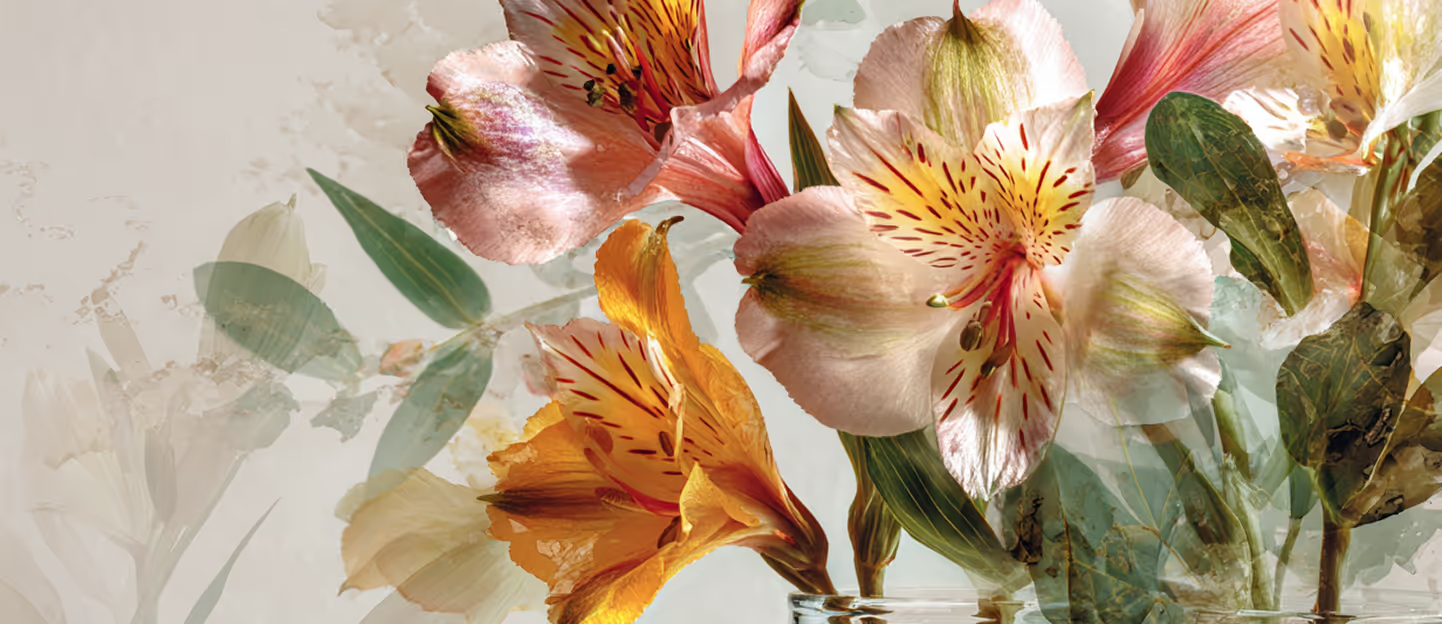
Flowers as a form of storytelling
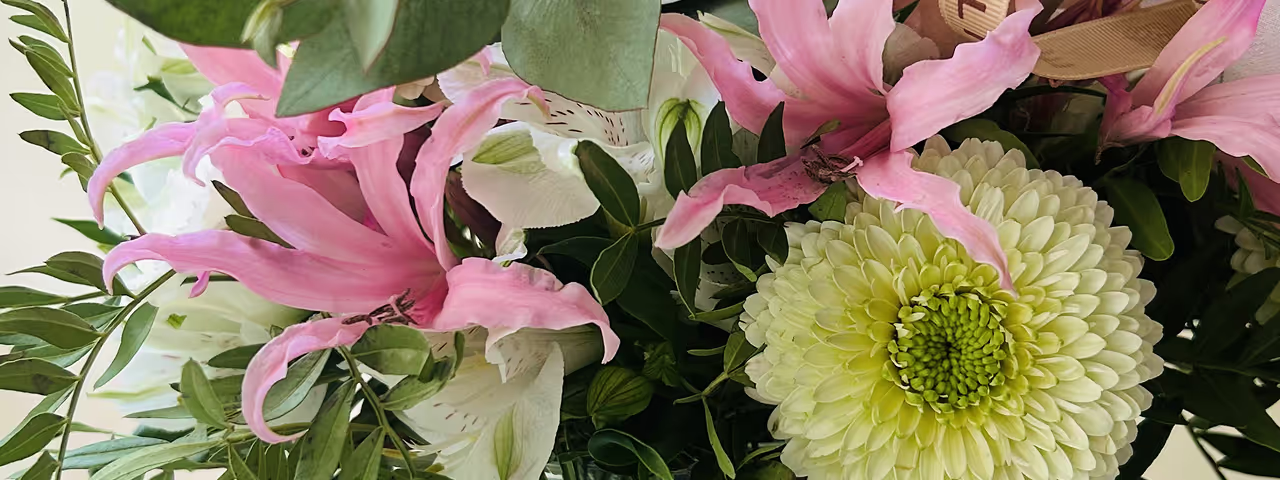
Every wedding or event has a story to tell. Sometimes it begins with a place like a quiet garden, a terrace above the sea, or a room full of late-day light. Sometimes it starts with a single color, a memory, or a scent that feels like home. Flowers become the language that connects these elements, turning the abstract feeling of celebration into something that can be seen and remembered.
Floral design in contemporary weddings and events is no longer a matter of matching tones or filling space. It is a form of storytelling that moves through balance and form. A well-considered composition creates a mood before a single word is spoken, while its presence shifts gently with the passing of hours, from ceremony to dinner, from daylight to candlelight.
Studios like Lilae approach this process through intuition and dialogue. Every design begins with an understanding of the people and the place, of how the atmosphere should evolve rather than simply appear. The result is a floral narrative that feels natural and deeply tied to the moment, elegant without excess, emotional without sentimentality.
Finding the language of the celebration
Every celebration begins long before the first flower is arranged. It starts with listening to the couple’s story, to a brand’s voice, to the atmosphere the hosts want their guests to feel when they arrive. Through these early conversations the vision begins to take shape.
Instead of simply matching a palette, each hue is chosen for the feeling it conveys. Pale tones can hold quiet anticipation, while richer shades bring depth and warmth. Texture also plays a role: the contrast of smooth petals and wild greenery mirrors the balance between elegance and spontaneity that defines modern event design.
The setting is a co-author of the story. A garden ceremony surrounded by lavender might call for arrangements that echo the landscape, while a candlelit dinner in a private residence could invite sculptural, artful forms that frame the intimacy of the space. By observing how light falls, how people move, and how sound travels through a room, the florist finds the rhythm that the flowers will follow.
Sometimes inspiration comes from unexpected details such as the pattern of a dress, the architecture of the venue, or the season’s scent in the air. Each of these becomes a thread in the composition, turning the event into something both designed and deeply felt.
The goal is not to make an impression, but to create a resonance. When the concept, the place, and the emotion align, flowers stop being decoration and become part of the story itself. That shared vision forms the foundation for everything that follows, from the choice of stems to the final gesture that completes the scene.
Building harmony with architecture
Architecture is a silent collaborator. Its structure suggests how the flowers should rise, lean, or open. In a grand hall compositions may complement the vertical lines of columns or draw the gaze upward. In a private villa the design might stay low and fluid, allowing air and light to weave through each stem. A sense of visual harmony guides every choice.
At Lilae, we seek balance between the organic and the built, creating harmony instead of competition. Whether it’s a quiet ceremony in a minimalist villa or a dinner surrounded by tropical greenery our arrangements grow naturally from the context.
- Respecting architecture
Before the first flower is placed we study the structure, its flow, height, and geometry. A grand lobby with tall windows invites vertical compositions that draw the eye upward, while an intimate courtyard calls for something lower and more grounded. This process ensures that each design feels native to the place.
- Working with light
Natural and artificial light transform flowers throughout the day. We observe how sunlight moves through a room, how shadows fall on a table, how evening lighting shifts the mood. The goal is to make the arrangement breathe with the space, to let each bloom reveal a different side as the light changes.
- Understanding scale and proportion
Every installation, whether it rises above guests or unfolds quietly across a table, must feel in proportion to its surroundings. A design that overwhelms loses intimacy, one that is too restrained may disappear. We find the point where the presence of flowers enhances the structure’s voice.
- Creating a visual anchor
Each project needs a focal point, that is, a place where the eye naturally rests. It might be a single sculptural arrangement in the center of the room or a subtle line of color leading guests through the space. This anchor gives clarity, allowing every floral element to feel intentional and connected.
Within this approach, a centerpiece is never a show of abundance, but a gesture of connection. This discipline of restraint keeps the design alive within its environment, letting the flowers speak in the same language as the space itself.
Movement, texture, and time
Every arrangement lives through its smallest elements. They give structure its rhythm and allow the setting to feel alive. In Lilae’s work these details are the pauses and breaths within the whole, where movement and imperfection find their place.
We consider how flowers respond to time, how morning light softens them, and how evening air deepens their tones. The composition is planned to change gently through the day, revealing a sense of movement rather than stillness.
- Light as part of the design
Natural light is one of the key materials. Morning or sunset light affects color and shape, and each bouquet is adjusted to the atmosphere of the space. This makes flowers appear as part of the environment instead of something placed within it.
- Different stages of bloom
We combine buds, half-open blossoms, and flowers in full bloom. As hours pass, buds begin to open, and the composition changes subtly. This approach also extends the life and freshness of each piece, especially in long events and multi-day celebrations.
- Creating balance through texture
Texture builds depth. Smooth petals contrast with airy branches and greenery adds structure. We leave open spaces, so air and light can move through the arrangement. This prevents heaviness and allows the composition to “breathe”.
- Small gestures that guide attention
A single stem leaning toward the light, petals resting on fabric, or a soft line of color across the table, all these gestures lead the eye and create a feeling of presence. They create intimacy, helping guests feel the atmosphere.
The essence of the moment
Flowers have the power to transform memory. A soft trail of scent along the aisle, a single stem catching sunlight on a table, or the gentle sway of greenery in the evening air can create impressions that endure far beyond the event itself. Guests rarely recall every arrangement in detail, but they remember the feeling each space evokes. Subtlety becomes strength when the floral elements converse with light, shadow, and movement. Flowers also mark the passage of time during the event. Morning light shifts to afternoon glow and the same bouquet interacts differently with each hour, revealing textures and shapes that were previously hidden.
- The event concludes, but the emotions carried by its flowers stay with you.
Thus each floral choice contributes to the overall experience, shaping how a space is perceived and remembered. Thoughtful placement, evolving textures, and seasonal details allow the environment to feel alive. If you wish to shape your story through flowers, get in touch with Lilae and we will help it unfold with care and refinement.
Liked the article? Share with friends
Articles you might like

Subscribe to our newsletter