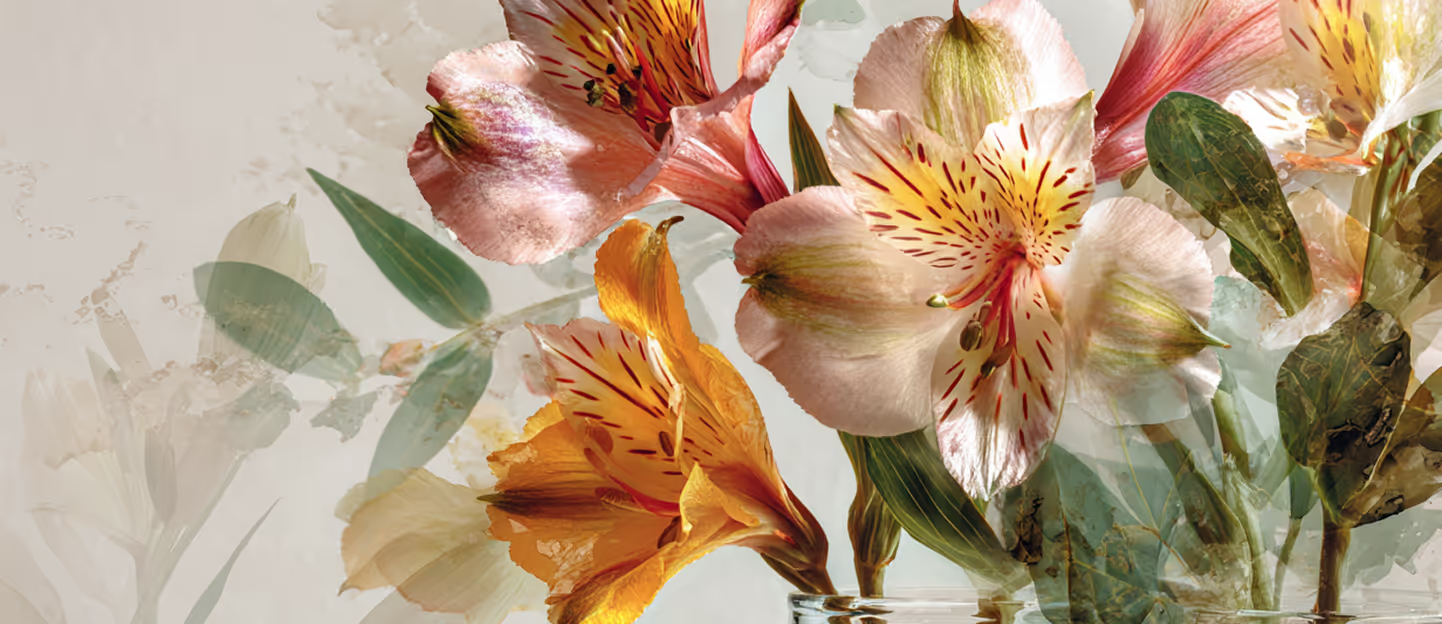
Living with flowers in everyday interiors
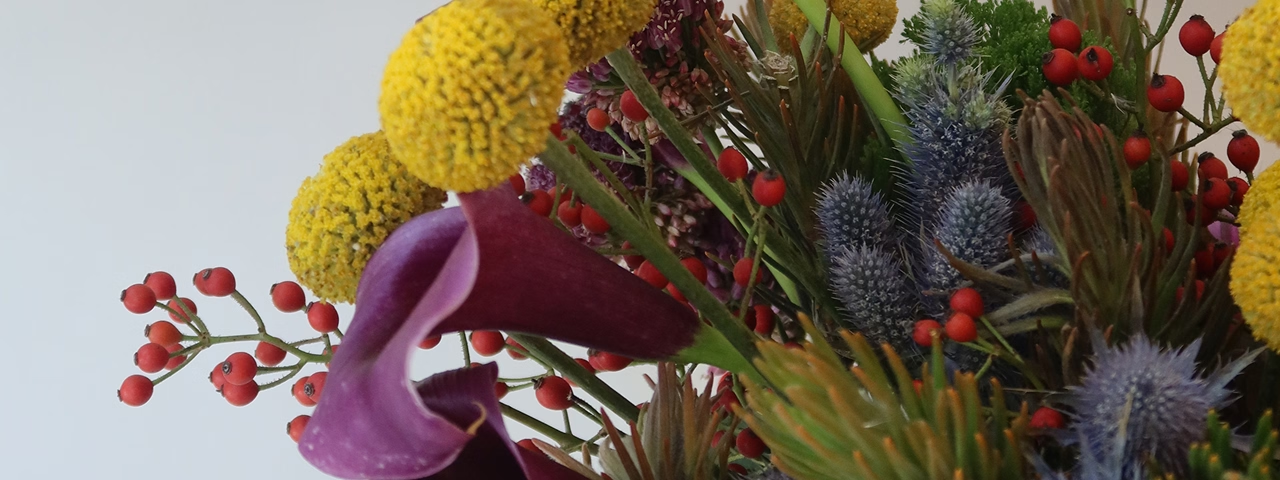
There are certain details that change the feeling of a home almost immediately, and flowers are often among them. A few stems resting in natural light, branches placed loosely in a ceramic vase, or seasonal flowers arranged without too much structure can shift the atmosphere of a room in a way that feels subtle and deeply noticeable. Flowers become part of how a space is experienced. They introduce a natural sense of movement into interiors filled with still materials such as wood, stone, linen, or glass. The contrast creates balance, allowing a room to feel composed without appearing overly arranged.
What makes flowers especially meaningful in a home is the way they settle naturally into daily life. A small arrangement on a dining table becomes part of slow breakfasts and evening conversations, flowers placed near an entryway shape the first impression of the home each time someone walks through the door, even a single stem beside a bedside table can influence the atmosphere of an otherwise simple room. Flowers' colours shift with the seasons, their forms open gradually over time, and their presence reminds a space that interiors do not need to remain visually static to feel complete. This natural imperfection often makes a home feel more personal and more lived in. In many homes flowers rarely dominate a space, but their presence often lingers the longest. They soften formality, bring warmth into minimal interiors, and add texture to rooms that might otherwise feel too polished or still.
The atmosphere between rooms
The atmosphere of a home is often shaped by details that feel almost invisible at first. Flowers belong to that category of quiet elements that gradually influence how a room feels. Their presence softens interiors in a natural way, especially in spaces defined by clean lines, structured furniture, or still surfaces. Even simple arrangements can introduce a sense of ease that changes the mood of a room without altering the space itself.
Light plays an important role in this relationship. Flowers respond to daylight constantly throughout the day, which gives interiors a feeling of movement that fixed objects rarely create. In the morning petals appear fresh and delicate against soft shadows, while evening light can deepen colours and bring warmth into calmer corners of the home. These small shifts make interiors feel less static and allow rooms to change gently with the passing hours. Texture also becomes more noticeable when flowers are present. Smooth tables, woven fabrics, ceramic surfaces, and natural wood begin to interact differently with softer organic forms. A loose arrangement can break the precision of a polished interior, while branches or seasonal greenery may add depth to spaces that feel visually quiet.
Scale influences atmosphere in subtler ways as well. A large arrangement can draw openness into a room with high ceilings or generous light, while smaller compositions create intimacy in compact spaces. Flowers placed thoughtfully throughout a home allow certain areas to feel calmer, brighter, or more inviting without overwhelming the interior. In many cases, the smallest details leave the strongest impression, because they feel effortless and naturally connected to daily life.
A quiet conversation
Flowers and interiors often seem to meet each other in the gentlest way. A room may already have its own style shown through material, colour, and light, and flowers enter that style by adding a living note that changes as the day moves on. When they are placed with care, they feel integrated rather than added on, which is why the most memorable arrangements often seem calm and natural instead of visually loud.
- Flowers often begin by softening the materials around them. A ceramic vase feels calmer beside linen, glass seems lighter when placed next to loose stems, and wood takes on a warmer presence when colour enters the room through something organic. These small contrasts give an interior a less polished, more humane quality, which can make the whole space feel easier to live in.
- Colour shapes that conversation in a very quiet way. A pale arrangement can bring light into a room that already feels full, while deeper tones can add weight and depth to a space that needs grounding. The effect depends less on the flower itself than on the way its colour settles among the other elements in the room, where it can either lift the mood or slow it down.
- Natural light changes the reading of every arrangement. A bouquet near a window will look different from one placed in a shaded corner, and this constant shift gives interiors a sense of movement that feels gentle rather than staged. As daylight changes, flowers seem to move in and out of focus, which helps a home feel open to time instead of fixed within it.
- Furniture and flowers also shape one another through proportion. A strong table, a low sofa, or a simple shelf can either hold a composition quietly or leave space for it to breathe. The most graceful arrangements often work, because they understand restraint. They leave room around themselves, and that space allows the interior to feel balanced instead of crowded.
- Empty space matters as much as placement. A room does not need flowers in every corner for them to have an effect, as a single arrangement in the right place can shift the entire atmosphere, especially when it sits with intention and gives the eye somewhere restful to land. In these moments subtlety feels more convincing than abundance, and the room gains character through ease rather than emphasis.
The beauty of small gestures
Some of the most memorable interiors are shaped through habits that feel simple and unforced. They appear in passing moments throughout the week and become connected to familiar routines and corners of the home. An arrangement placed near a window may change slightly as flowers open over several days, while a vase moved from one room to another can alter the atmosphere without requiring anything dramatic. This kind of presence feels relaxed and unforced, which is often what gives interiors their sense of warmth.
There is also something deeply comforting in arrangements that are slightly imperfect. Flowers leaning naturally to one side, stems gathered loosely rather than symmetrically, or seasonal greenery placed without strict structure can make a room feel more welcoming and human. Interiors tend to feel softer when they are allowed to breathe instead of appearing overly arranged or preserved in a finished state. Everyday florals encourage a slower awareness of the home itself. A dining table becomes a place that invites longer conversations, a hallway feels lighter as natural light falls across fresh stems, and even smaller spaces begin to carry a stronger sense of care and attention.
Part of the appeal lies in the temporary nature of flowers. Their colours shift, petals open gradually, and arrangements evolve day by day. This constant movement prevents interiors from feeling frozen or overly controlled. Homes begin to feel lived in rather than perfectly styled, and beauty appears through atmosphere and small daily gestures that become part of ordinary life.
Spaces that change with the seasons
Flowers often become a connection between the home and the world outside. As the seasons shift, interiors begin to change almost instinctively through light, colour, texture, and atmosphere, and floral arrangements help carry those transitions indoors in a natural and understated way. A home rarely feels exactly the same in spring as it does in late autumn, and flowers often shape that feeling long before larger seasonal changes appear.
- Spring light
Early spring arrangements tend to bring softness into interiors that have spent months surrounded by heavier textures and lower light. Delicate stems, lighter tones, and fresh greenery can brighten a room gently and create a sense of openness as the days begin to feel longer again.
- Summer air
Flowers often feel looser and more relaxed within the home during summer. Open arrangements placed near windows, natural branches gathered casually, or flowers with softer movement reflect the atmosphere of warm air and longer evenings. Interiors begin to feel lighter and more effortless during this time of year.
- Autumn texture
As the season changes, richer colours and textured arrangements introduce warmth into the home. Earthier tones, dried elements, and fuller compositions often work naturally with woven fabrics and darker materials that appear throughout autumn interiors.
- Winter stillness
Arrangements often become calmer and more sculptural in winter. Branches, minimal greenery, and restrained palettes can create a feeling of balance within interiors where natural light feels softer and more diffused.
Living with flowers often begins with simple gestures that slowly become part of the home itself. A small arrangement placed where natural light falls, seasonal stems gathered for a dining table, or fresh flowers added to an otherwise familiar corner can change the atmosphere in lasting ways.
At Lilae, floral design is approached with attention to atmosphere, balance, and the natural character of each space. Every arrangement is created to feel considered within the interior around it, allowing flowers to settle into the home with elegance.
If you would like to bring flowers into your home or project, you can get in touch with Lilae to discuss a tailored floral composition.
Liked the article? Share with friends
Articles you might like

Subscribe to our newsletter