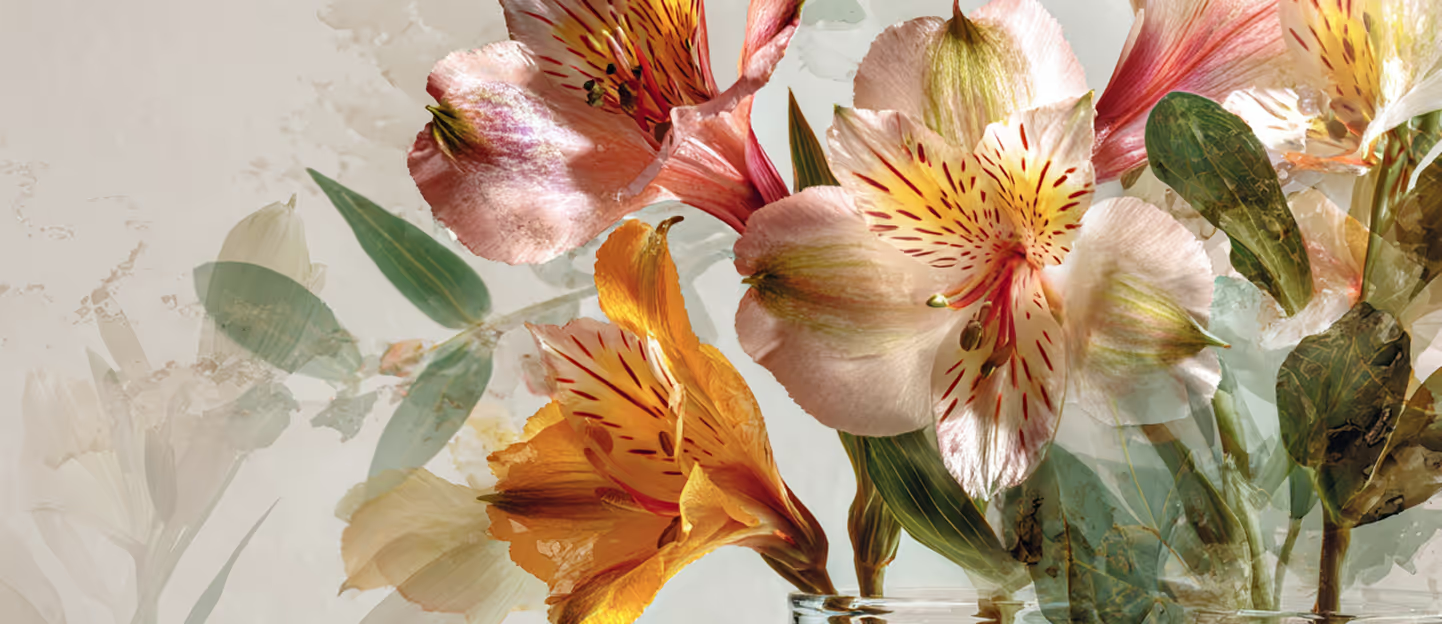
Rethinking artificial flowers
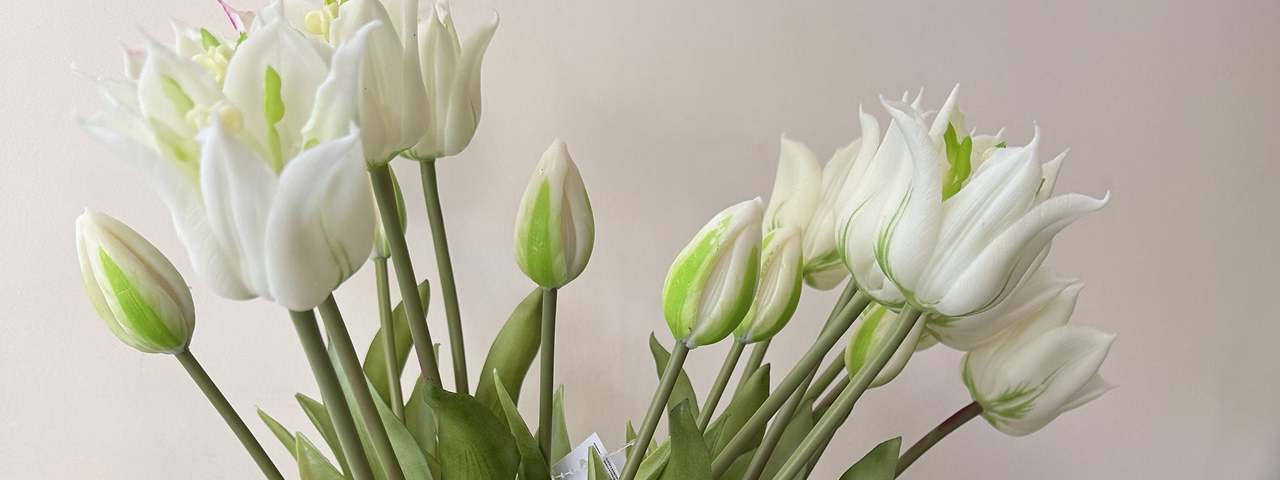
Artificial flowers have become a familiar part of contemporary floral design, but the category itself has changed considerably over the years. What many people encounter today reflects a level of craftsmanship, material quality, and design attention that continues to reshape expectations. As a result, artificial florals are increasingly being viewed through a different lens, finding a place in a wider range of settings and applications.
Part of this shift comes from the way floral design has evolved as a whole. Greater attention is now given to texture, proportion, colour variation, and natural form, and these qualities influence every stage of a composition, from the selection of individual stems to the overall arrangement. At the same time, advances in materials and production techniques have expanded what is possible within the category. Petals, foliage, and structural elements display a level of detail that was far less common in the past. Subtle colour transitions, organic shapes, and carefully considered finishes contribute to arrangements that feel refined and contemporary.
Details that changed everything
One of the most significant developments in artificial floristry has been the growing attention given to detail. As expectations for decorative elements have evolved, so has the craftsmanship behind floral compositions. Quality today is often measured through subtle characteristics that create realism and visual interest, allowing arrangements to sit comfortably alongside carefully selected furnishings, artwork, and other design elements. Several factors have contributed to this shift:
- Realistic textures
Contemporary artificial flowers often incorporate textures that reflect the natural complexity found in petals, leaves, and stems that help create arrangements with enhanced visual depth and authenticity.
- Natural colour variation
Flowers in nature rarely display a single uniform shade, and modern artificial florals increasingly reflect this observation. Gentle colour transitions and subtle variations within individual blooms contribute to compositions that appear richer and more refined.
- Carefully crafted petals
Advances in production techniques allow petals to be formed with higher precision, capturing organic curves and structure. These details influence how arrangements are perceived both from a distance and up close.
- Improved materials
Material innovation has expanded the possibilities available to floral designers. Options offer enhanced flexibility, durability, and visual quality, making it possible to create arrangements with a greater sense of sophistication and durability.
Where they find their place
One of the reasons artificial floral arrangements continue to grow in popularity is their ability to adapt to a wide variety of environments. Their versatility allows them to complement different settings while maintaining a consistent appearance throughout the year. Whether used as a decorative feature or part of a larger design concept, they can contribute to the atmosphere of a space in a lasting and reliable way.
In spaces that are used every day, floral arrangements often become part of the background in the best possible sense. They bring colour and visual interest without demanding constant attention. This makes them a natural choice for homes, where decorative elements are expected to remain attractive while fitting comfortably into daily life. Professional environments often require details that support a polished appearance. In offices, floral compositions can introduce warmth and visual balance to reception areas and shared spaces while maintaining a consistent presentation.
Places designed to welcome guests frequently rely on atmosphere as much as functionality. Across hospitality spaces, including hotels, restaurants, and lounges, floral arrangements contribute to the overall experience and help create environments that appear considered and inviting from season to season. Presentation also plays a significant role in customer facing settings. Within retail environments, floral styling can complement product displays and add visual depth to the space. Their durability makes them particularly suitable for locations that experience regular activity and evolving layouts. There are also occasions where consistency and preparation are especially valuable. Artificial floral arrangements for events allow designs to be planned in advance while maintaining their appearance throughout the occasion, whether the setting is intimate or large in scale.
As artificial flowers find their way into an increasingly wide range of spaces and occasions, they continue to be appreciated for their consistent appearance and lasting decorative value.
If you are considering artificial floral arrangements for your home, business, or upcoming project, contact Lilae to explore a tailored solution.
Liked the article? Share with friends
Articles you might like

Subscribe to our newsletter